


Something you need to know about RVs (Recreational Vehicles) — types, features, benefits…… Whether you're a first-time buyer or a seasoned traveler, this guide covers it all.
What Does RV Stand For?
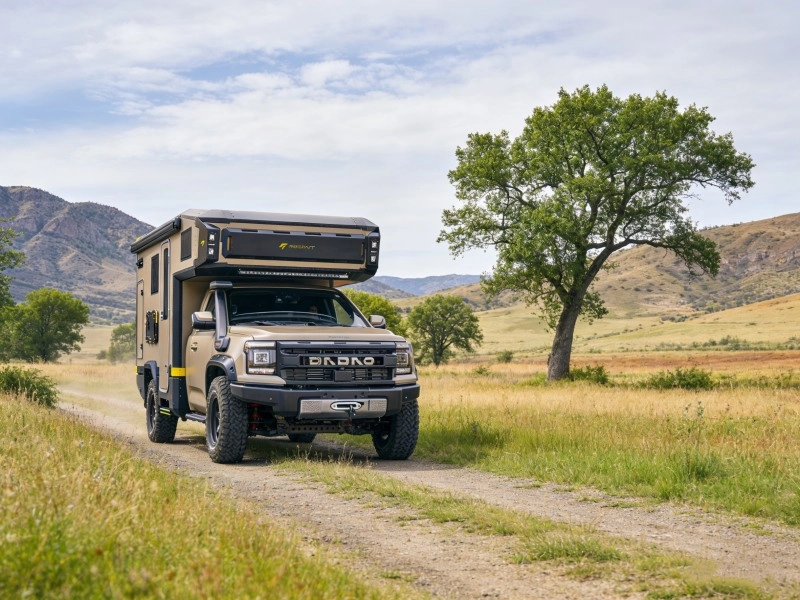
RV stands for Recreational Vehicle. An RV is a motor vehicle or trailer that combines transportation with living accommodations — essentially a home on wheels. RVs are designed for travel, camping, road trips, and even full-time living. They come equipped with sleeping areas, kitchens, bathrooms, and other home-like amenities, allowing travelers to explore the world without sacrificing comfort.
The RV lifestyle has exploded in popularity globally over the past decade. According to industry data, approximately 23 million RVs are currently in use worldwide, with nearly one million new vehicles added to that fleet every year. From weekend warriors to full-time nomads, RVs offer a unique blend of freedom and convenience.
Types of RVs: A Complete Breakdown
RVs come in many shapes and sizes, broadly categorized into two main groups: motorized RVs (also called motorhomes) and towable RVs. Here's a detailed look at each type:
1. Motorized RVs (Motorhomes)
Motorhomes are self-propelled vehicles that integrate the living quarters and engine into one unit.
• Class A Motorhomes: The largest and most luxurious motorhomes, typically 26–45 feet long. Built on a bus or commercial truck chassis, Class A RVs feature full-size kitchens, spacious living areas, multiple slide-outs, and premium amenities. Ideal for full-time living or extended travel.
• Class B Motorhomes (Camper Vans): The smallest and most fuel-efficient motorhomes, built on a standard van chassis (e.g., Mercedes Sprinter, Ford Transit). Class B RVs are easy to drive and park, making them perfect for solo travelers and couples who prioritize mobility and minimalism.
• Class C Motorhomes: A middle ground between Class A and Class B, built on a truck or van chassis with a distinctive over-cab sleeping area. Class C motorhomes offer more space than a camper van while being easier to handle than a Class A. Great for families.
2. Towable RVs
Towable RVs do not have their own engine — they are hitched to and towed by a separate vehicle.
• Travel Trailers: The most popular type of towable RV. Travel trailers come in a wide range of sizes (12–40+ feet) and price points, making them accessible to nearly every budget. They can be towed by most SUVs and pickup trucks.
• Fifth Wheel Trailers: Larger towable units that connect to a special hitch mounted in the bed of a pickup truck. Fifth wheels offer more living space and stability than travel trailers, with bi-level floor plans that often include a raised bedroom over the hitch area.
• Caravans: Particularly popular in Australia, New Zealand, and Europe, caravans are towed living units. They range from lightweight pop-top models to fully appointed luxury units. Brands like Snowy River, Regent, and NEWGEN by New Gonow RV are highly regarded in the Australasian market, with multiple 'Caravan of the Year' awards.
• Toy Haulers: A hybrid RV designed for adventure enthusiasts. Toy haulers feature a rear garage area for storing motorcycles, ATVs, or mountain bikes, alongside living quarters up front.
• Pop-Up / Tent Trailers: Lightweight, foldable units that collapse for easy towing and storage, then expand at the campsite. They are the most affordable entry point into the RV lifestyle.
Key Features inside an RV
Modern RVs are engineered to provide all the comforts of home. Depending on the model and class, you can expect to find some or all of the following features:
1. Sleeping Areas: From bunk beds and convertible dinettes to king-size master bedrooms with premium mattresses. Many RVs sleep 4–8 people comfortably.
2. Kitchen: Equipped with a refrigerator (12V, 3-way, or residential), stove/oven, microwave, sink with running water, and ample storage space.
3. Bathroom: Most RVs include a toilet, shower, and sink. Larger models feature separate wet baths or full dry baths comparable to a home bathroom.
4. Living Room: Sofas, recliners, dining tables, and entertainment systems — many RVs include smart TVs and surround sound.
5. Climate Control: Air conditioning units, furnaces, and sometimes underfloor heating keep the interior comfortable in all seasons.
6. Water & Power Systems: Fresh water tanks, gray and black water holding tanks, shore power hookups (30 or 50 amp), built-in generators, and increasingly, solar panel systems.
7. Connectivity: Modern RVs often include Wi-Fi boosters, cellular signal enhancers, and satellite TV connectivity for the digital nomad lifestyle.
8. Slide-Outs: Motorized sections of the RV that extend outward when parked to dramatically expand interior floor space.
RV Living: Benefits and Lifestyle
Why do millions of people choose the RV lifestyle? The appeal goes far beyond just having a place to sleep. Here are the key benefits:
1. Freedom and Flexibility: Take your home wherever you want to go. No booking hotels, no airline schedules — just you, the road, and the destination.
2. Cost Savings: For frequent travelers, an RV can be significantly more economical than hotels and restaurants over time, especially for families.
3. Connection with Nature: RV camping puts you closer to national parks, forests, coastlines, and mountains that hotels simply can't reach.
4. Quality Family Time: The RV lifestyle is known for strengthening family bonds through shared experiences and adventures.
5. Work from Anywhere: The rise of remote work has made full-time RVing a viable lifestyle. With good connectivity, many people now work from their RV.
6. Community: The RVing community is welcoming and vibrant. Campgrounds and RV parks foster a sense of community among like-minded travelers.
7. Customization: Unlike a hotel room, your RV is your space — personalize it exactly how you like it.
FAQs about RV
Is it cheaper to live in an RV than a house?
In many cases, yes. Full-time RVers often spend significantly less on housing costs than traditional homeowners or renters. However, costs depend heavily on your travel frequency, fuel prices, and campground fees.
Do I need a special license to drive an RV?
In most US states and many countries, a standard driver's license is sufficient for most RVs. However, very large Class A motorhomes may require a special license depending on your jurisdiction. Always check local regulations.
How long do RVs last?
A well-maintained RV can last 20–30 years or more. Regular maintenance, proper storage, and quality construction (like that used by award-winning manufacturers) significantly extend lifespan.
Can I use an RV in winter?
Yes. Many modern RVs are built for 4-season use, with insulated tanks, heated underbellies, and powerful furnaces. Check the temperature rating of any RV before winter camping.
What is full-time RVing?
Full-time RVing means living in your RV as your primary residence year-round. This lifestyle is growing rapidly, especially among remote workers, retirees, and younger post-90s buyers who value experiences over property.
What's the difference between a caravan and a motorhome?
A motorhome is a self-propelled RV with its own engine. A caravan (or travel trailer) is towed by a separate vehicle. Caravans are generally more affordable and allow you to unhitch and use your tow vehicle for local trips.


